You Do Not Have to Eat Kale to Glow
Look, we get it. Every tanning diet article out there is like "eat salmon, spinach, kale, and raw carrots every day!" and you are sitting there thinking absolutely not. Maybe you hate vegetables. Maybe fish makes you gag. Maybe the idea of cooking anything more complicated than microwave ramen sounds like a nightmare. That is totally fine and it does not mean you are locked out of the tan-boosting diet game.
The nutrients your skin needs for a better tan — beta-carotene, vitamin C, vitamin E, copper, omega-3s — are found in way more foods than just the stereotypical "healthy" options everyone talks about. You can absolutely support your tan through food without eating a single thing you hate. You just need to know where to find the good stuff in foods you actually enjoy.
If You Hate Vegetables: Fruits Are Your Best Friend
Great news — fruits deliver many of the same tan-boosting nutrients as vegetables, and they are way easier for most picky eaters to enjoy. Here is your fruit-based tanning arsenal:
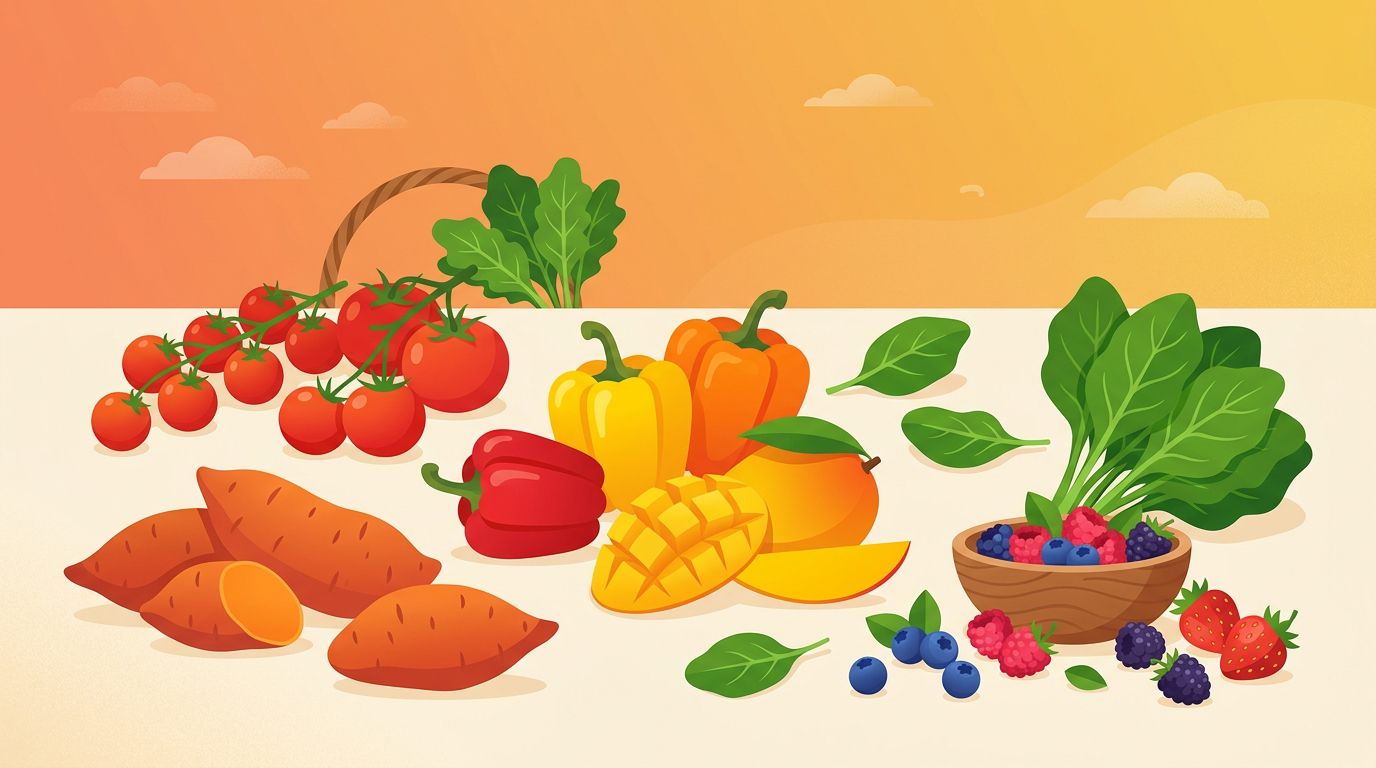
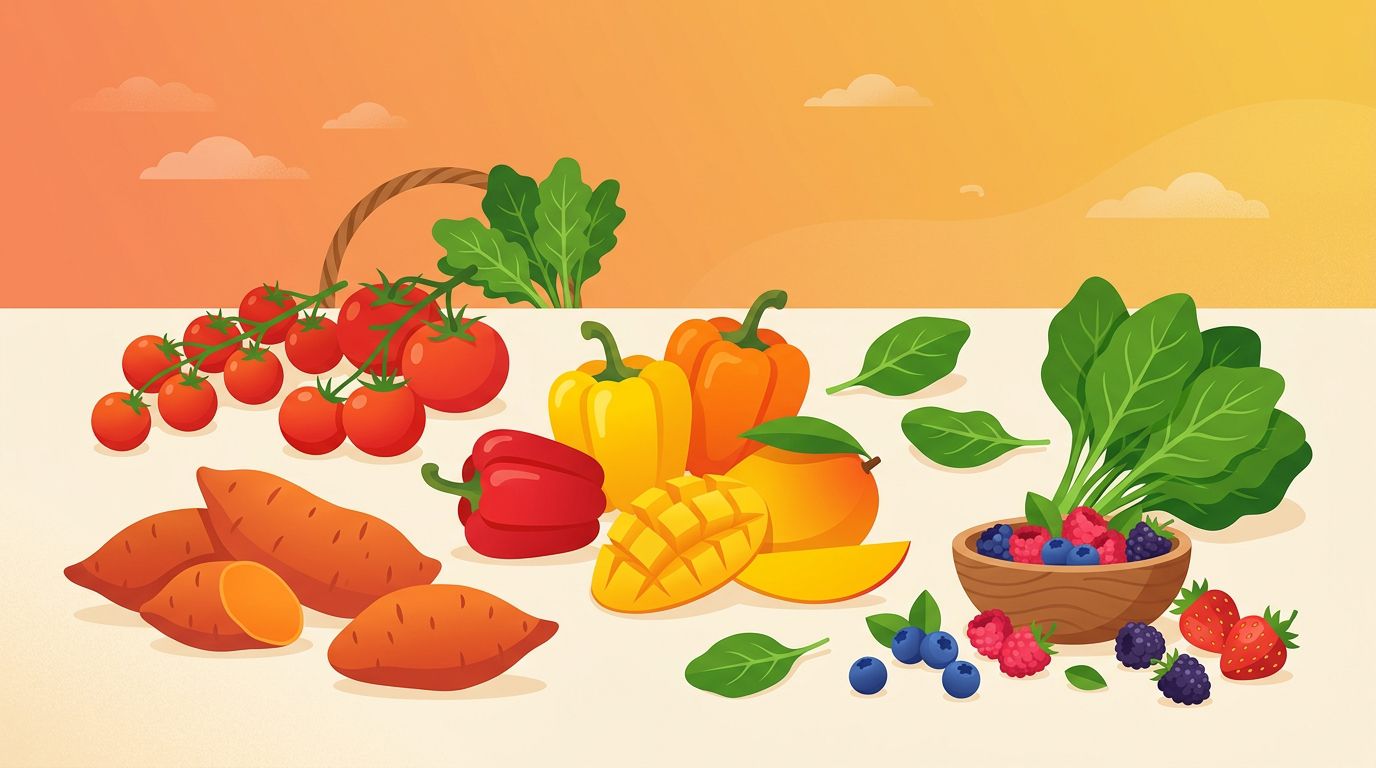
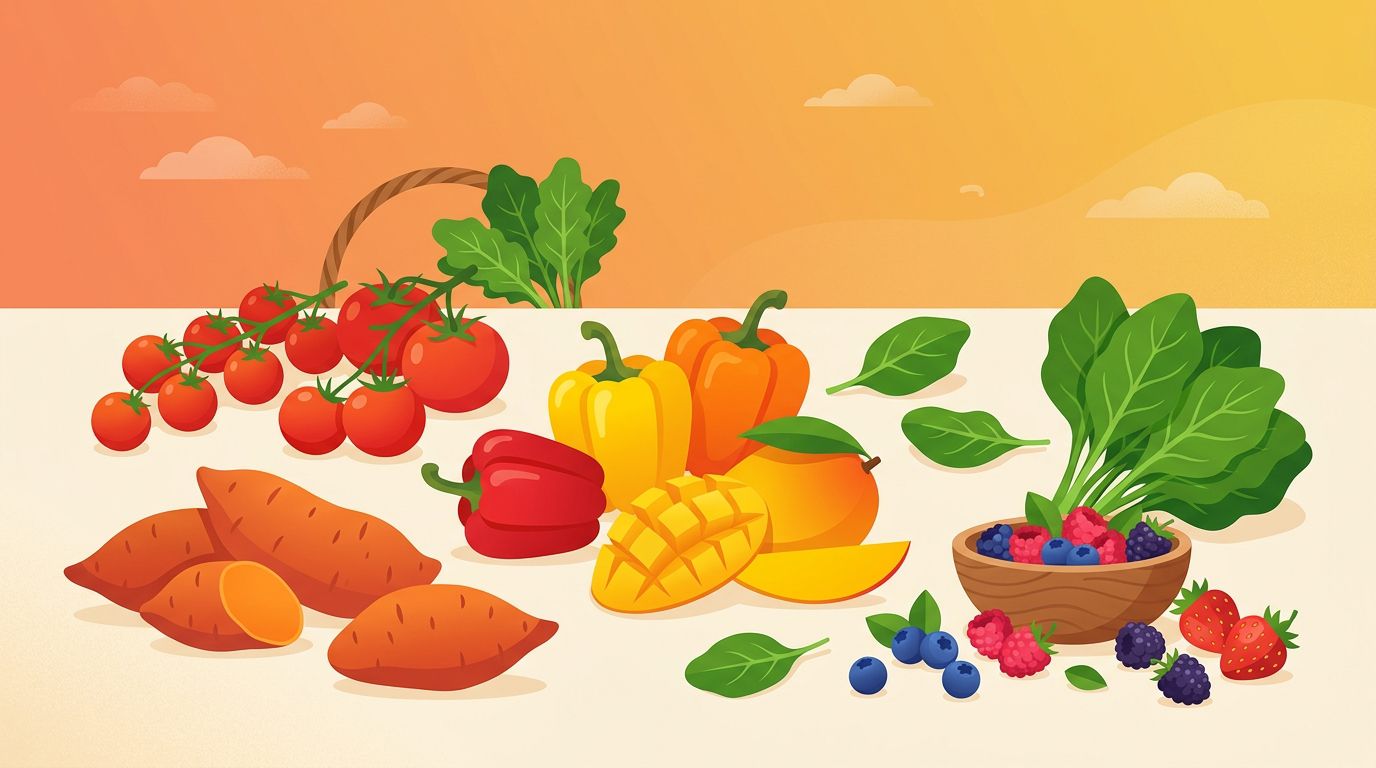
Mango. The number one picky-eater tanning food. Loaded with beta-carotene, tastes like tropical candy, available fresh, frozen, dried, or in juice. One cup gives you about 35% of your daily vitamin A. Any form works.
Watermelon. Packed with lycopene — studies show it can reduce UV-induced skin redness by up to 40% with consistent intake. Plus it is 92% water, so it hydrates you at the same time. Zero preparation required.
Peaches and nectarines. Solid beta-carotene sources. Fresh is great, but canned peaches count too (beta-carotene survives canning). Cheap, convenient, effective.
Cantaloupe. One cup gives you over 100% of your daily vitamin A. Sweet, refreshing, and one of the richest melon sources of beta-carotene.
Dried apricots and dried mango. Taste like candy but are concentrated beta-carotene sources. Portable enough to toss in your bag for an on-the-go tanning snack.
If You Hate Fish: Plant-Based Omega-3s
Fish is recommended for tanning because of omega-3 fatty acids, which reduce inflammation, support skin cell membranes, and help your skin handle UV exposure better. But if fish is a hard no, you have excellent plant-based alternatives:
Walnuts. The highest omega-3 nut. Add them to oatmeal, snack on them straight, or throw them in a trail mix with dried mango and dark chocolate — a tanning trail mix.
Chia seeds. More omega-3s than salmon, ounce for ounce, with basically zero taste. Stir a tablespoon into yogurt, oatmeal, or smoothies. The ultimate stealth health food.
Flaxseeds (ground). Similar omega-3 profile to chia. Buy pre-ground (whole ones pass through undigested) and sprinkle on cereal or toast.
Pick the one you will actually use consistently — any of these gives you the omega-3 benefits of fish. For the full science, check our melanin-boosting foods guide.
If You Hate Cooking: Smoothies Are Everything
Smoothies are the ultimate cheat code for picky eaters who do not cook. You throw things in a blender, press a button, and drink it. Three minutes from start to finish. And you can hide an absurd amount of tan-boosting nutrition in a smoothie without tasting the "healthy" ingredients.
The Ultimate Picky Eater Tan Smoothie:
1 cup frozen mango, a small handful of baby spinach (you will NOT taste this — the mango completely covers it), 1 tablespoon chia seeds, a splash of carrot juice or orange juice, 1 cup milk or almond milk. Blend everything on high for 60 seconds. Done.
This single smoothie delivers: beta-carotene (mango + carrot juice), vitamin C (mango + OJ), vitamin A (spinach + mango), omega-3s (chia seeds), plus hydration and calcium. You are covering like four major tanning nutrients in one glass that tastes like a mango milkshake. This is the kind of thing we mean when we say you do not have to eat kale. For more smoothie ideas, see our 5 smoothie recipes for natural glow.
Zero-cooking meals that still boost your tan:
Yogurt with granola and dried apricots (beta-carotene + calcium). A hummus wrap with pre-shredded carrots from a bag (copper from chickpeas + beta-carotene from carrots — zero prep). Peanut butter toast with banana slices (vitamin E + potassium). Cereal with milk and a sliced mango on the side. A cheese quesadilla with jarred salsa (lycopene from tomatoes in the salsa). None of these require actual cooking skills. If you can open a jar and use a microwave, you can make all of them.
5 Easy Swaps That Actually Make a Difference
You do not have to overhaul your entire diet. Just swap these five things and you are automatically eating for a better tan:
1. Regular chips to sweet potato chips. Most grocery stores sell sweet potato chips right next to regular ones. Same crunchy snacking experience, but now you are getting beta-carotene with every handful. Some brands even make them with sea salt and they are genuinely delicious.
2. Regular juice to carrot-orange juice. Instead of apple juice or grape juice with breakfast, grab a carrot-orange juice from the store. Naked, Bolthouse Farms, and store brands all make them. Same convenience, massive beta-carotene upgrade. Add a teaspoon of coconut oil or drink it with something fatty (like toast with butter) for better absorption.
3. Plain water to cucumber-lemon water. Fill a pitcher with water, add sliced cucumber and lemon, and keep it in the fridge. You will drink more water (better hydration for your skin) because it actually tastes good. The lemon adds vitamin C. The cucumber adds a tiny bit of vitamin K and silica. It is a small change that adds up. See our best drinks for tanning guide for more ideas.
4. Candy to dried mango. Dried mango genuinely tastes like candy. It is sweet, chewy, and satisfying in the same way. But instead of pure sugar, you are getting concentrated beta-carotene, vitamin C, and fiber. Keep a bag in your room, your backpack, or your car. This is the easiest swap on the list.
5. White rice to quinoa. Quinoa has a mild nutty flavor and a texture similar to couscous. Most people who "hate health food" have never actually tried quinoa and discover they do not mind it at all. One cup of cooked quinoa provides about 18% of your daily copper — the mineral your body needs to produce the tyrosinase enzyme that makes melanin. You can buy microwave quinoa cups now that cook in 90 seconds.
The $15 Weekly Tanning Grocery List
One of the biggest excuses for not eating tan-boosting foods is "it is too expensive." Fair point. So here is a complete tanning-support grocery list from Walmart, Target, or any budget grocery store:
Frozen mango bag (about $3) — enough for 5-6 smoothies. Bag of baby carrots (about $1.50) — snacking for the week. 2 medium sweet potatoes (about $1.50) — bake them Sunday, eat all week. Bag of dried apricots (about $3) — tanning snacks on the go. Small bag of almonds (about $4) — copper, vitamin E, healthy fats. Jar of salsa (about $2) — lycopene from tomatoes for zero-effort meals.
Total: about $15. That is less than most people spend on fast food in a single day, and it covers an entire week of tan-boosting nutrition. Add whatever you normally eat on top of this — these are additions, not replacements for your regular meals.
Making It Stick: The Picky Eater Game Plan
You do not have to do everything at once. Start with one or two swaps this week. Maybe swap your regular juice for carrot-orange juice and buy a bag of dried mango. Next week, add the frozen mango smoothie to your mornings. Week three, try sweet potato chips and throw chia seeds into your yogurt.
Small changes compound. By the end of the month, you will be consistently getting beta-carotene, vitamin C, copper, omega-3s, and vitamin E without feeling like you are on a diet. Your skin will be noticeably warmer in tone, and when you combine it with smart sun exposure, your tan is going to look better than it ever has. For a more structured day-by-day approach, check our 7-day tanning meal plan.
Consistency Beats Perfection
You do not need to eat perfectly. A handful of dried mango three times a week beats no beta-carotene at all. One smoothie on Monday beats zero smoothies. Do what you can, with what you actually like eating. The nutrients add up over time. A better-looking tan is just a few easy snack swaps away. For the full science on how food supports your tan, see our nutrition for a healthy tan guide.
Safety note: Eating for a better tan supports your skin from the inside, but food is never a substitute for sunscreen. Always wear SPF 30 minimum, time your sessions carefully, and use our tanning calculator to plan your sessions around your skin type and current UV. TanAI gives you personalized tanning schedules and UV alerts so you can combine smart eating with smart sun exposure.