It Sounds Like a Myth, But It Is Real Science
The idea that eating carrots can change your skin color sounds like something your grandma made up. Like "eat your carrots so you can see in the dark" level of believability. But here is the thing — this one is actually backed by real, peer-reviewed science. Multiple studies have confirmed that increasing your intake of carotenoid-rich foods (carrots being the most famous) causes a visible change in skin color. A warm, golden, healthy-looking glow that people consistently rate as more attractive than a regular suntan.
So yes, eating carrots genuinely helps you tan — or more accurately, it gives you a natural golden tone that enhances and deepens any tan you build in the sun. Let us get into exactly how it works, how much you need, and when you will start seeing results.
The Carotenoid Effect: Proven by Science
The most famous study on this comes from the University of St Andrews in Scotland. Researchers photographed participants' faces over several weeks while they increased their fruit and vegetable intake. The result? Visible, measurable changes in skin color — a warmer, more golden-yellow tone distinct from a suntan.
When they showed the photos to other people, participants consistently preferred the carotenoid glow over a sun-derived tan. The golden warmth from food-based carotenoids was rated as healthier-looking and more attractive than melanin-based tanning alone.
Another study in Evolution and Human Behaviour found similar results across multiple ethnic groups and skin tones. This is not fringe science — it has been replicated multiple times, in different countries. The effect is real and available to anyone willing to eat a few more carrots.
How It Actually Works in Your Body
Beta-carotene is a pigment — literally what makes carrots orange. When you eat beta-carotene-rich foods, your body absorbs it into the bloodstream and distributes it throughout your body.
The key: beta-carotene deposits directly in the outermost layer of your skin (the stratum corneum). It physically accumulates there, giving your skin a warm, golden-yellow undertone. The more you consume consistently, the more visible the color change becomes.
This is completely different from tanning. Tanning happens when UV triggers melanocytes to produce melanin. The carotenoid effect happens from the inside regardless of sun exposure. Two separate pigmentation pathways — which is exactly why they stack so beautifully together.
How Many Carrots Do You Actually Need?
You do not need to eat a comical amount of carrots. The research suggests visible changes with moderate, consistent intake:
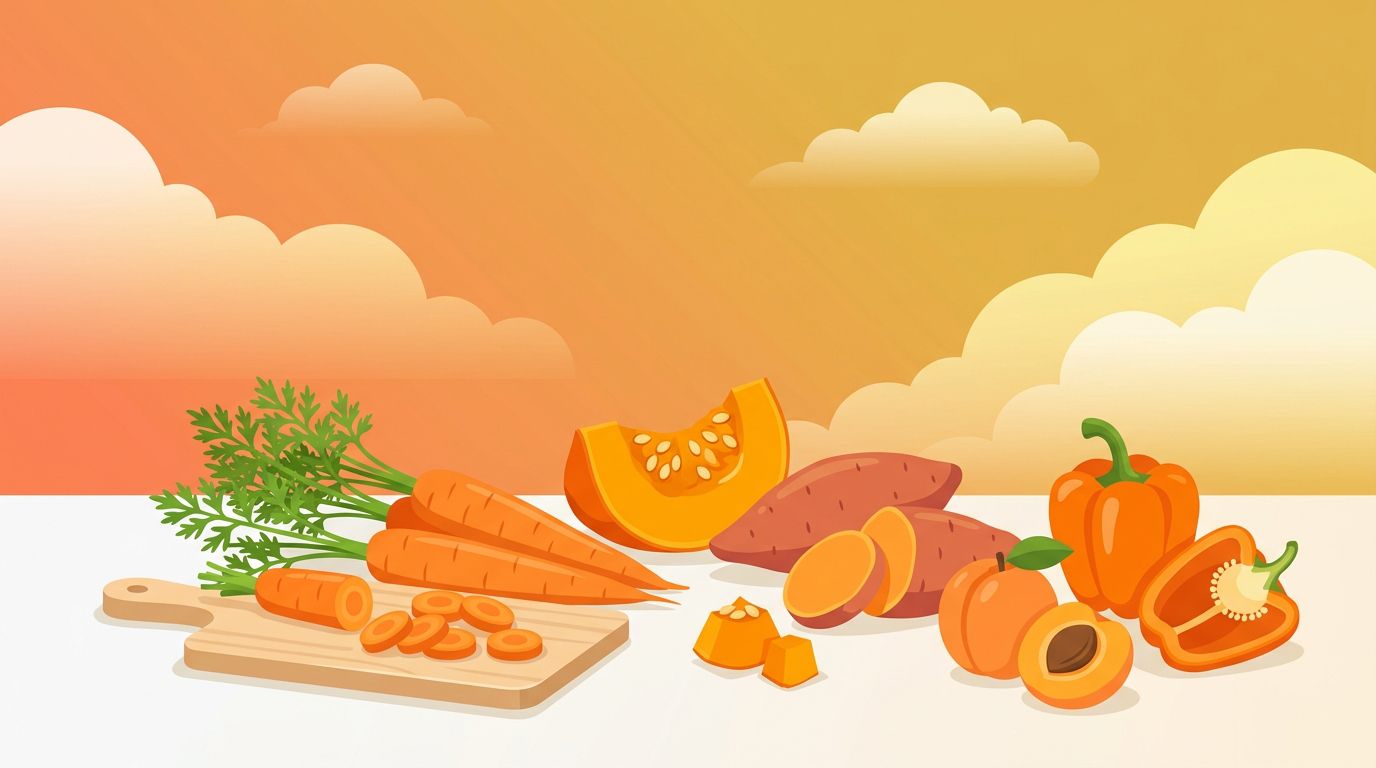
2-3 medium carrots daily provides roughly 10-15 mg of beta-carotene, which is in the range shown to produce visible skin color changes in studies. This is completely doable — grate them into salads, eat baby carrots as a snack, or drink carrot juice.
1-2 medium sweet potatoes daily is even more efficient. Sweet potatoes have a higher concentration of beta-carotene than carrots — one medium sweet potato provides over 400% of your daily vitamin A requirement. If you prefer sweet potatoes, you need fewer of them to hit the same beta-carotene levels.
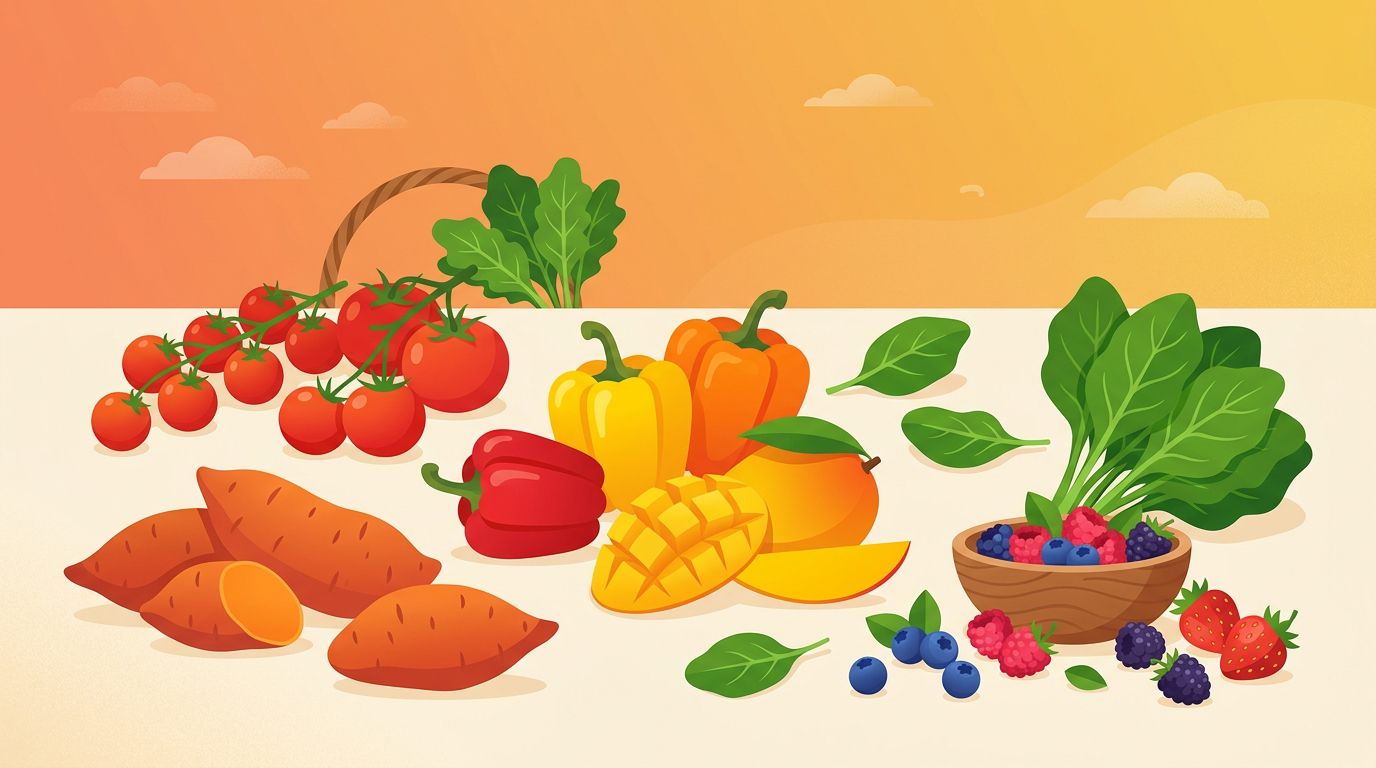
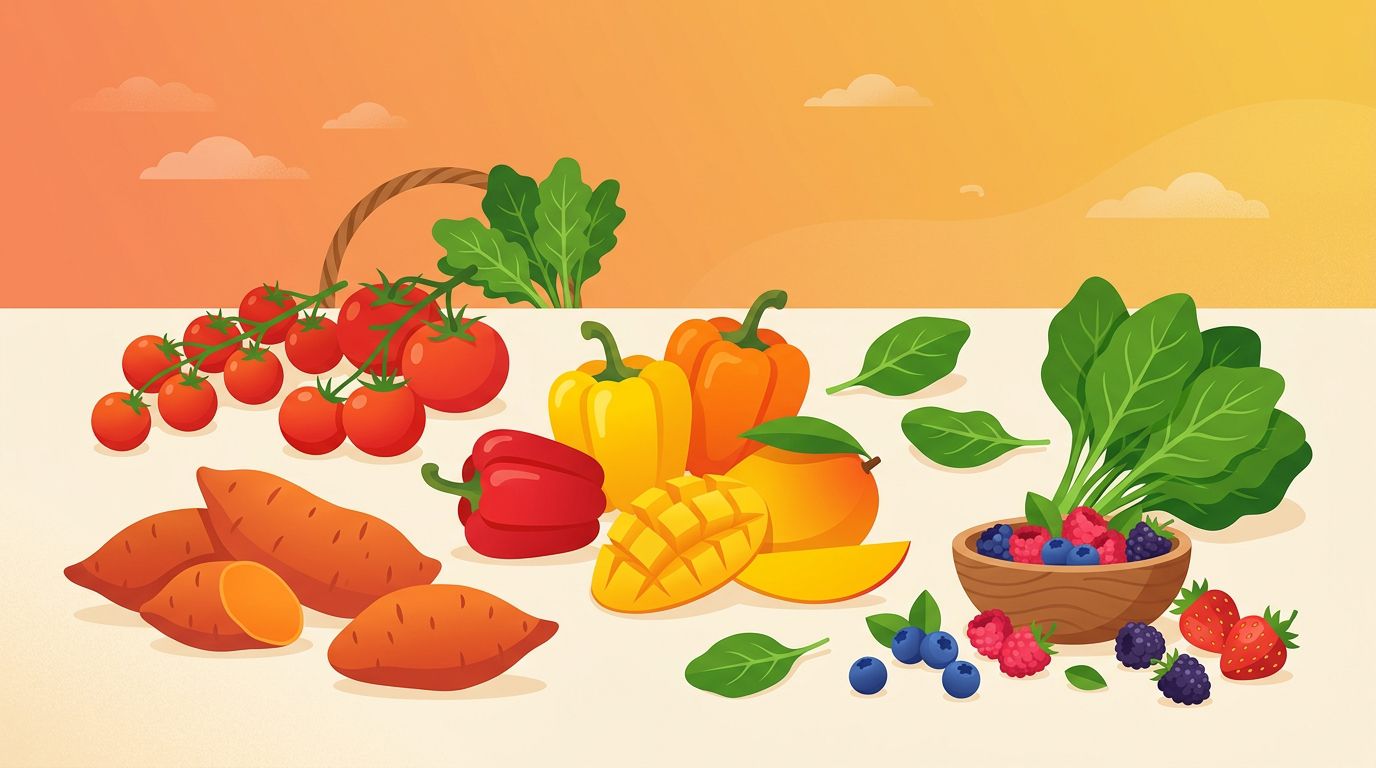
Other high sources: Mango, cantaloupe, apricots, butternut squash, red bell peppers, and papaya all contribute significant beta-carotene. You do not have to rely only on carrots. Mix it up with different sources to keep things interesting while maintaining your intake.
The key is consistency over weeks, not a single binge. Eating ten carrots in one day and then none for a week does essentially nothing. Your body needs a sustained supply to build up deposits in your skin. Think of it like filling a tank gradually — steady input, gradual accumulation, visible results over time. For a full list of tan-boosting foods beyond carrots, check our complete foods that help you tan guide.
When Will You Actually See Results?
This is what everyone wants to know, and the research gives us a pretty clear timeline:
2-3 weeks: Subtle changes become visible. You might notice your palms looking slightly warmer in tone, or your face having a bit more warmth. Other people may not notice yet, but you will if you are looking for it. Take a photo on day one for comparison — the gradual nature of the change makes it easy to miss without a reference point.
4-6 weeks: Full effect. This is when the golden undertone becomes clearly visible and other people start commenting. Your skin has a noticeable warmth that is different from your baseline. It shows most prominently in areas with thinner skin — face, palms, inner forearms.
If you stop: The color fades over 2-3 weeks as your skin naturally sheds cells containing the deposited beta-carotene. It is not permanent, so you need to maintain your intake to keep the glow.
The ideal strategy? Start eating beta-carotene-rich foods 3-4 weeks before tanning season. By the time you start your first tanning sessions, you already have a warm base tone that makes your developing sun tan look richer and more golden from day one.
Cooked Carrots Work BETTER Than Raw
This surprises most people, but cooking or microwaving carrots actually makes the beta-carotene more available to your body. Raw carrot cell walls are tough and fibrous — your digestive system cannot fully break them down, so a significant portion of the beta-carotene passes through you unabsorbed.
Cooking softens those cell walls and releases the beta-carotene, increasing bioavailability by 25-30%. That means cooked carrots deliver roughly a quarter to a third more usable beta-carotene than the same amount of raw carrots.
And here is the bonus hack: adding fat increases absorption even further. Beta-carotene is fat-soluble, so eating it with olive oil, butter, avocado, or any fat source allows your intestines to absorb dramatically more. Roast your carrots in olive oil, and you are getting maximum beta-carotene delivery.
The same applies to sweet potatoes. A baked sweet potato with a pat of butter is one of the most efficient beta-carotene delivery systems you can eat. It tastes incredible and it is making your skin more golden with every bite. You can also blend cooked sweet potato into smoothies for an even easier routine.
The Stack: Carotenoids Plus Sun Tanning
This is where things get really good. Carotenoid glow and sun-derived melanin are two completely different types of pigmentation, and when you have both happening simultaneously, the result is a tan that looks richer, deeper, warmer, and more natural than either one alone.
Melanin tends to produce a brown-olive tone. Carotenoids produce a golden-yellow warmth. Combined, you get that coveted deep golden-bronze color that looks like you spent the summer on a yacht somewhere in Greece. The two pigments layer on top of each other and create a depth of color that sun tanning alone simply cannot achieve.
This is genuinely the secret of people who always seem to have the best tans. They are not just getting more sun — they are eating the right foods and letting the carotenoid effect amplify their melanin. It is a one-two punch that works for every skin tone.
Important: It Is Not a Replacement for Sun Protection
Beta-carotene has some mild antioxidant properties that can help your skin handle UV slightly better, but it is absolutely NOT a substitute for sunscreen. It does not provide meaningful UV protection. You still need SPF, you still need to time your sessions, and you still need to be smart about UV exposure.
Think of beta-carotene as a cosmetic enhancer — it makes your tan look better, not your skin tougher. The protection comes from SPF and smart behavior. The golden glow comes from carrots and consistency. They are partners, not substitutes. For more on nutrients that support your skin during tanning season, read our melanin-boosting foods guide.
Can You Overdo It?
There is a condition called carotenemia where extremely high beta-carotene intake causes skin to turn noticeably orange-yellow. It is harmless and fully reversible — just cut back on your intake and it fades within a few weeks. But it takes a LOT of beta-carotene to reach that point. We are talking multiple cups of carrot juice daily for weeks on end.
At the recommended 2-3 carrots per day, you are nowhere near carotenemia territory. You are in the "healthy golden glow" zone, which is exactly where you want to be. If your palms start looking very orange, just dial it back slightly.
Quick Reference: Your Carrot Tan Plan
What to eat: 2-3 medium carrots or 1-2 sweet potatoes daily, plus other beta-carotene sources like mango, cantaloupe, and bell peppers. How to eat them: Cooked is better than raw. Always pair with a fat source. When to start: 3-4 weeks before tanning season for best results. What to expect: Visible warmth at 2-3 weeks, full golden effect at 4-6 weeks. How to maintain: Keep eating them consistently through summer. Stack with your tanning meal plan for maximum results.
Safety note: Eating your way to a golden glow is awesome, but it does not replace safe sun practices. Always wear SPF 30 minimum, follow smart tanning guidelines, and never rely on food alone for UV protection. For the complete picture on how nutrition supports your tan, see our nutrition for a healthy tan guide, and use our tanning calculator to pair your carrot-powered glow with perfectly timed sun exposure.